
Author: Ano Sensei
Format: Video
Structure: Falling rhythm, Sprung rhythm
Related content:
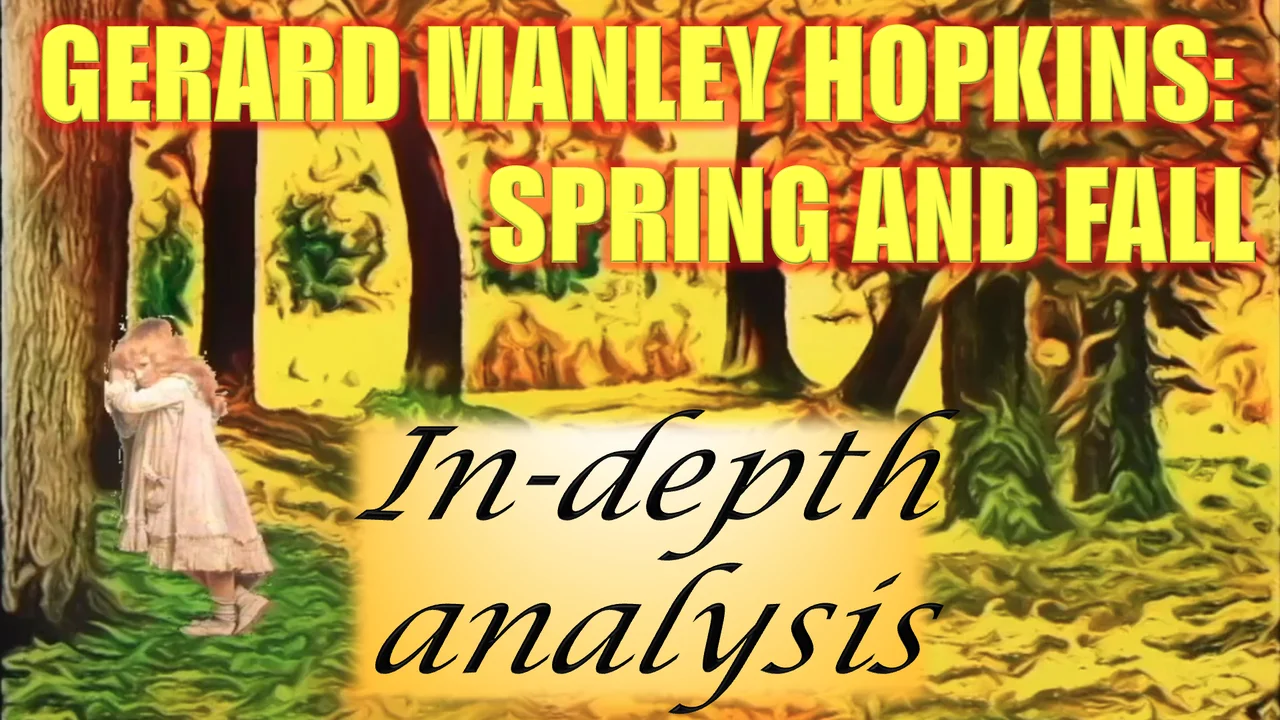
Gerard Manley Hopkins, "Spring and Fall": In-depth analysis - alliteration, rhyme, atmosphere, etc.
I have made in-depth videos on Keats's Odes (https://tinyurl.com/anokeats), Coleridge's "Kubla Khan" (https://tinyurl.com/anokubla), Wordsworth's "Tintern Abbey" (https://tinyurl.com/anotintern) and many others? ...Subscribe and get the best poetry analysis videos on YouTube!
0:00 Intro
0:25 Preamble
0:46 Hopkins's use of rhythm
1:31 The "G", "R" and "V" sounds in the opening lines
2:13 The sound of the words "grieving" and "Goldengrove"
2:43 Consonance, alliteration and the positive and negative elements of the opening lines
3:13 Other examples of consonance and alliteration in the opening lines; the "L" and "K" sounds
3:46 The choice of words.
4:20 The rhyme scheme; "grieving" and "unleaving"
4:32 Framing the opening lines in question form
4:42 Assonance
4:57 The atmosphere of the poem changes
5:17 The use of the rhyme scheme to change the atmosphere
6:38 Diction: The use of the word "colder" to mark the change in atmosphere
6:57 Alliteration and consonance in the middle part of the poem
7:36 More on diction: The poet's choice of words in this middle section
8:25 The darker meaning of the poem
8:35 The final lines of the poem: Alliteration
9:13 The theme of death
9:53 What the little girl thinks she is crying for (the falling leaves) and what she is really crying for (her own death)
10:03 The rhyme scheme in the final lines
10:21 The poet's answer to the questions he asked at the beginning of the poem
10:45 Final comments on diction
Here I focus mainly on the way in which Hopkins uses the sound of the words to help create the atmosphere and tone of the poem. Subscribe to "Ano sensei!" and never miss another video!
© All rights reservedShow More